If you’re gearing up for your first motorcycle trip through the Italian Alps, you’ll have the best time if you focus on one main area and build your route around it. Let’s say Stelvio and Gavia are calling your name; base yourself in Bormio. If it’s the Dolomites you want, look at Val Gardena or Cortina d’Ampezzo. Farther west, Aosta Valley gives you a whole different flavor of the Alps.
Start by asking yourself what roads you want to ride, how much time you’ve got, and how comfortable you are with mountain passes. Once you figure that out, sorting out where to stay and which airport to fly into gets a lot easier.
Where Exactly Are the Italian Alps?
The Italian Alps stretch all across northern Italy, brushing up against France, Switzerland, Austria, and Slovenia. They cover a huge area, way more than you’ll see in just one valley or even in a full week of riding.
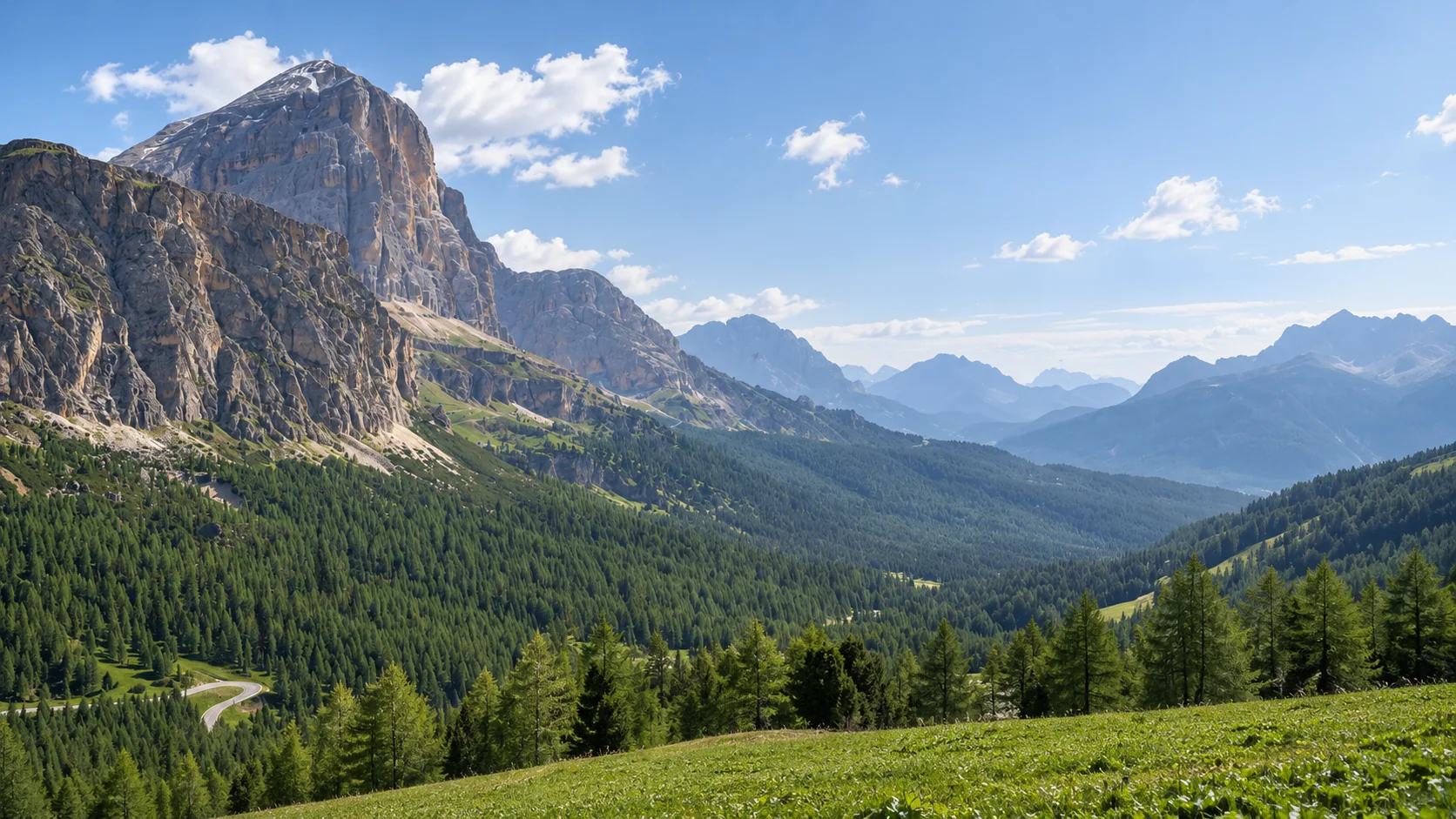
Grab a map of the Italian Alps and pinpoint the spots you’re dreaming of. Aosta is off to the west, Bormio sits up in northern Lombardy, and the Dolomites sprawl out farther east across South Tyrol, Trentino, and Veneto.
Here’s a quick heads-up: South Tyrol also goes by Alto Adige, so don’t let the name swap throw you.
You can stick to one region, or hop between them, but the further apart your stops, the more time you’ll burn just getting from one area to another.
Are the Italian Alps and the Dolomites the Same Thing?
The Dolomites are part of the Italian Alps, a mountain range within the bigger Alps, according to UNESCO.
That bit of info helps with planning. A Dolomites trip usually means you’ll stick around Val Gardena, Canazei, and Cortina d’Ampezzo. If you’re planning a wider Italian Alps road trip, mix in Bormio, maybe the lakes, or visit the western valleys.
And if you really want to nail down your route, keep our guide to Dolomites mountain passes handy.
Matching Your Ride to the Area
Sometimes, a single road or mountain pass is the reason you’re coming to Italy in the first place. Let that guide your first choices. Check out what’s nearby and see if you’ll want to stick around for a couple nights.
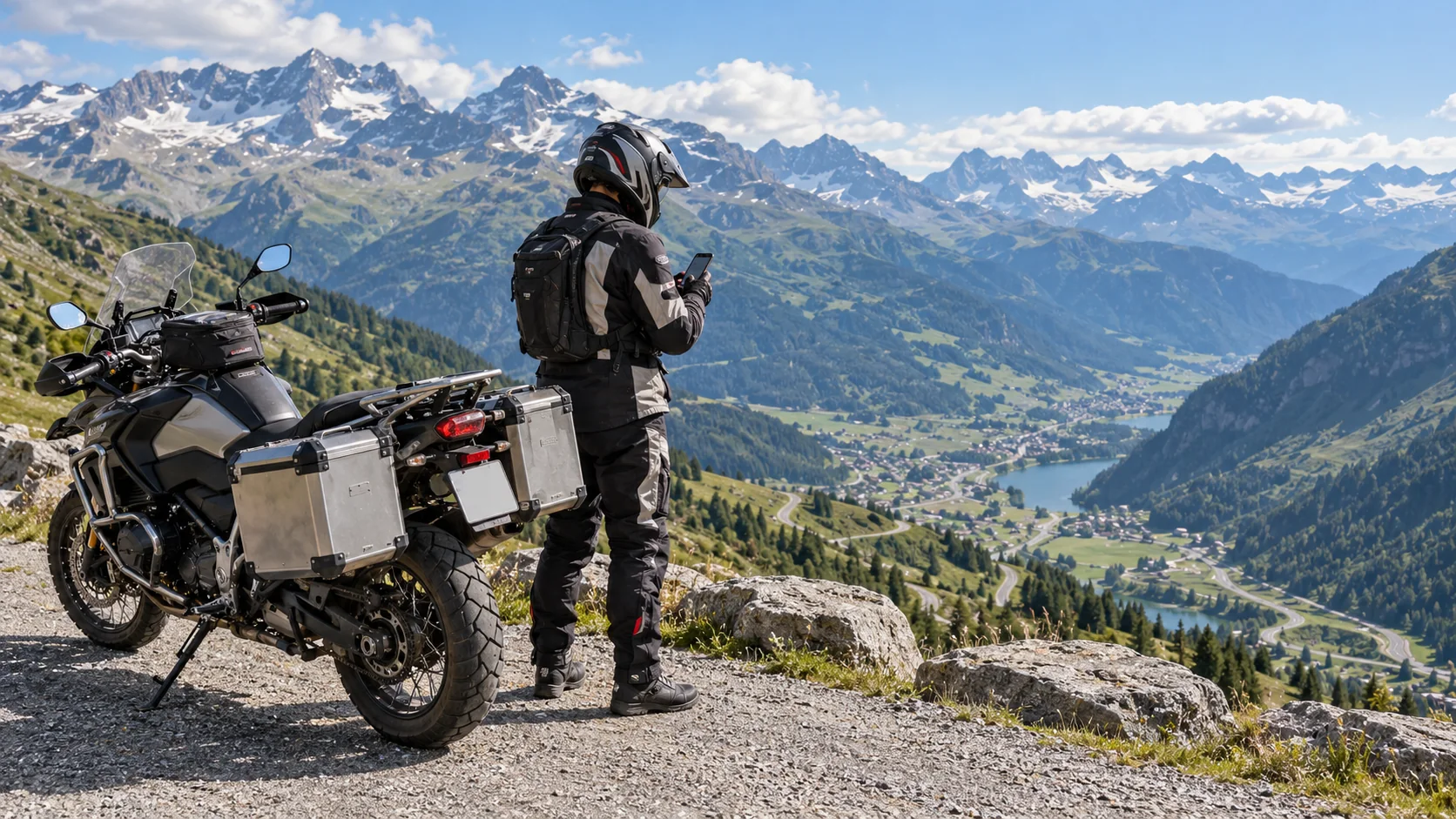
Here’s how the main areas stack up:
| Riding area | Good base towns | Best for |
|---|---|---|
| Aosta Valley | Aosta or Courmayeur | Western Alps, lots of valleys and classic scenery |
| Northern Lombardy | Bormio | Close to Stelvio and Gavia, with plenty of mountain action nearby |
| Dolomites, west and central | Ortisei, Selva di Val Gardena, or Canazei | The heart of the Dolomites and mountain loops |
| Eastern Dolomites | Cortina d’Ampezzo | Focused riding around Cortina’s side of the range |
| Trentino and the lake areas | Pick a base along your route | A blend of mountains, valleys, and Lake Garda |
Bormio: Your Launchpad for Stelvio and Gavia
If Stelvio Pass and Gavia are at the top of your list, Bormio makes perfect sense. Give yourself a little flexibility with the weather. Having your hotel nearby lets you pick the best days to ride.
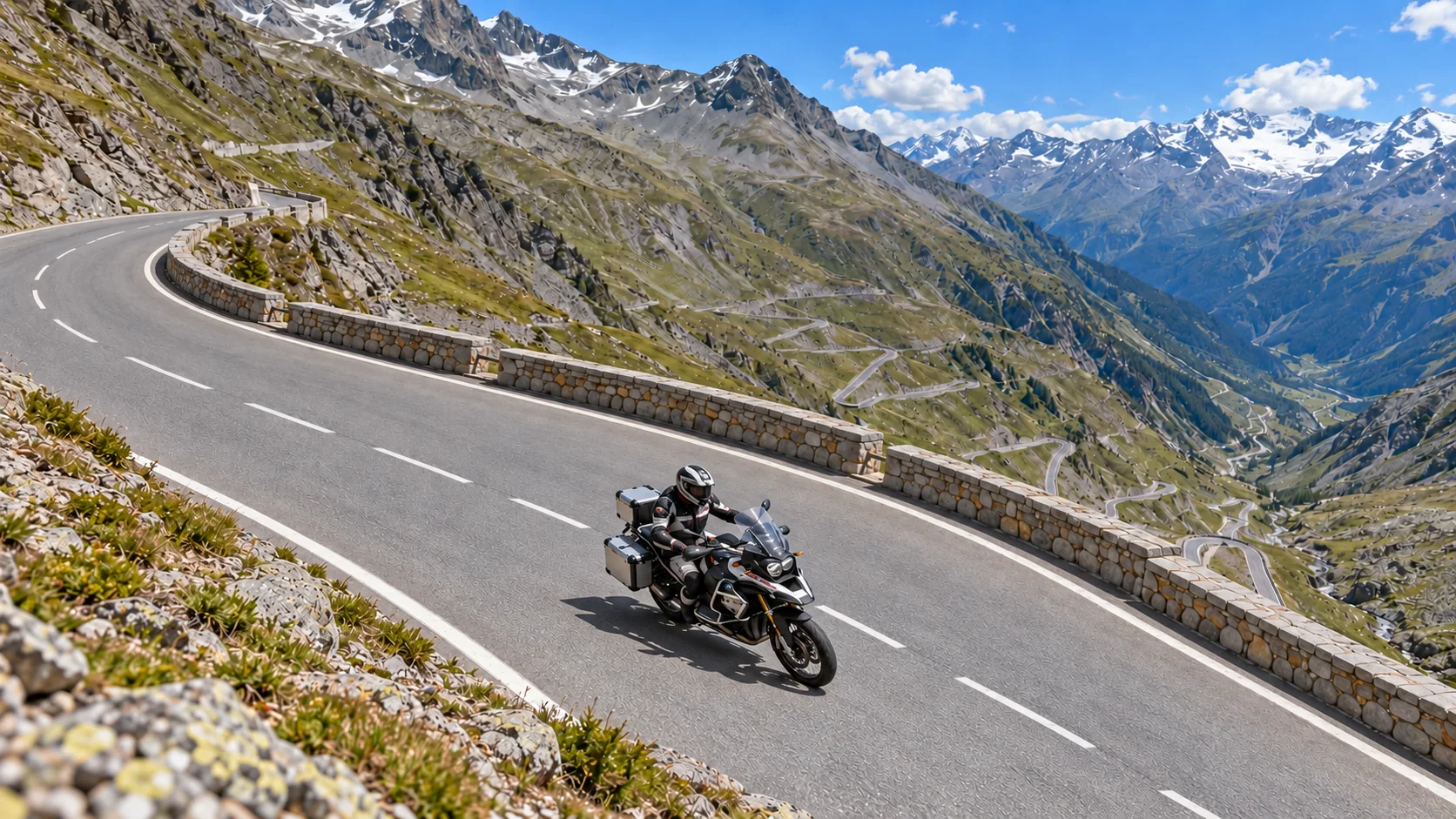
Don’t just look at the miles when you plan these rides. Tight hairpin bends, narrow bits, and unpredictable conditions make the route feel longer and more tiring than any map will admit.
Dolomites: Settle In for a Few Mountain Days
Val Gardena is a deep, green valley with Ortisei, Santa Cristina, and Selva di Val Gardena. Double-check exactly where your hotel is. These towns are close together, but pick the one with the vibe you want.
If you want more of the eastern Dolomites, base yourself in Cortina d’Ampezzo. Or, if you want to cover a lot of ground, move hotels as your route heads across the range. Don’t overdo it, though. Too many hotel changes eat into your riding time.
Aosta Valley and Trentino: Something a Little Different
If you’re drawn to the western Alps, the Aosta Valley is your spot. Just be aware: passes like the Great Saint Bernard are seasonal. Always check ahead to see if they’re open.
In Trentino, your route might zigzag between Dolomite passes and Lake Garda. Sketch out which roads matter most before you lock in your overnight stops.
Picking the Right Base
When comparing Italian Alps cities and towns, don’t just look at the distance to your first mountain pass. Think about how easy it’ll be to get back after a long day, where you’ll find dinner, and how you’ll handle a rainy afternoon.
Big towns like Bolzano feel convenient, but sometimes you’re actually better off staying deeper in the valleys for easier access to the twisty roads you came for.
Before you book, ask yourself:
- How’s the access to your hotel, and can you park the bike safely?
- Is there a place to eat nearby, or will you need to ride again for dinner?
- Where are the fuel stops on your planned route?
- Can you dry out wet riding gear if you hit rain?
- Is there a way to cut your route short if the mountains throw you a curveball?
Motorbike hotels sometimes have parking, drying rooms, and local route advice. Ask about what you actually need before deciding.
One Hotel, or Bouncing Between Several?
If your route works as a series of day rides, plant yourself in one hotel and just unpack once. You can leave your main bags back at base, change your daily plan, and even take a rest day without worrying about losing ground.
But if your dream trip covers lots of different areas, moving hotels makes sense. Just be realistic: riding with all your luggage over several passes is a much bigger day. Build in time for snack stops, gas, and unexpected surprises.
Quick Planning: Three, Five, or Seven Riding Days
Break down your days on the road, separate from your arrival, bike rental, and departure days.
- Three riding days: Keep it tight. Pick one area, one base, two main rides, and a shorter “just in case” option if you get bad weather.
- Five riding days: Stay within one broad region, using one or two bases if the route works. Mix up the rides and don’t pack the schedule too tight.
- Seven riding days: Now you can string together neighboring areas, maybe a combo of mountains and a lake stop if the route flows right.
If it’s your first time, spend a little extra time in your favorite region instead of trying to cover the whole Alps in one shot.
Choose Roads That Match Your Experience
Be honest with yourself: have you handled mountain twisties, switchbacks, and steep climbs before? Riding a heavy or loaded bike on those roads tires you out way faster than a highway cruise does.
Pick your bike after you know your route. If someone’s riding pillion, talk ahead about how tough the roads (and days) will be.
Give yourself a “warm-up” before you tackle the most hairpin-heavy routes. If you’re not super confident yet, practice those skills before you go and loop your tour operator in when booking. Also, check out our Stelvio gear list to make sure you’ve packed what you need.
Keep Your Plans Flexible (Especially in Summer)
Summer is prime time for high mountain passes, but seasonal pass closures, temporary restrictions, and shifting weather can shake up your plans.
Check the official traffic report for South Tyrol and the relevant road authorities for other regions before each ride, and keep an alternate plan: a shorter ride, a lower route, or even a break day. Download offline maps before you leave your hotel, and double-check that your planned route doesn’t dump you onto sketchy backroads.
Keep one day loosely planned for your trip through the Italian Alps in summer. You can use it for a bonus ride, an off-bike adventure, or just some lakeside downtime if the weather tanks.
Getting There from the U.S.
Pick your arrival airport after you know where your ride starts. Milan makes sense for a tour starting there; Venice can work well if you’re headed toward Cortina and the eastern Dolomites.
Factor in time for jet lag and the transfer to your hotel or bike shop. Don’t book a tight connection. Give yourself a day to get sorted.
If you’re renting independently, check pickup and return logistics, ask about taking the bike across borders, and review your planned route with the rental agency. Having a dream route on the map is great. Just make sure it fits within your rental terms and timeframe.
Don’t Skip the Lakes
Lake Garda pairs up nicely with Trentino and the Dolomites. Lake Como works if your ride brings you between the Alps and Milan.
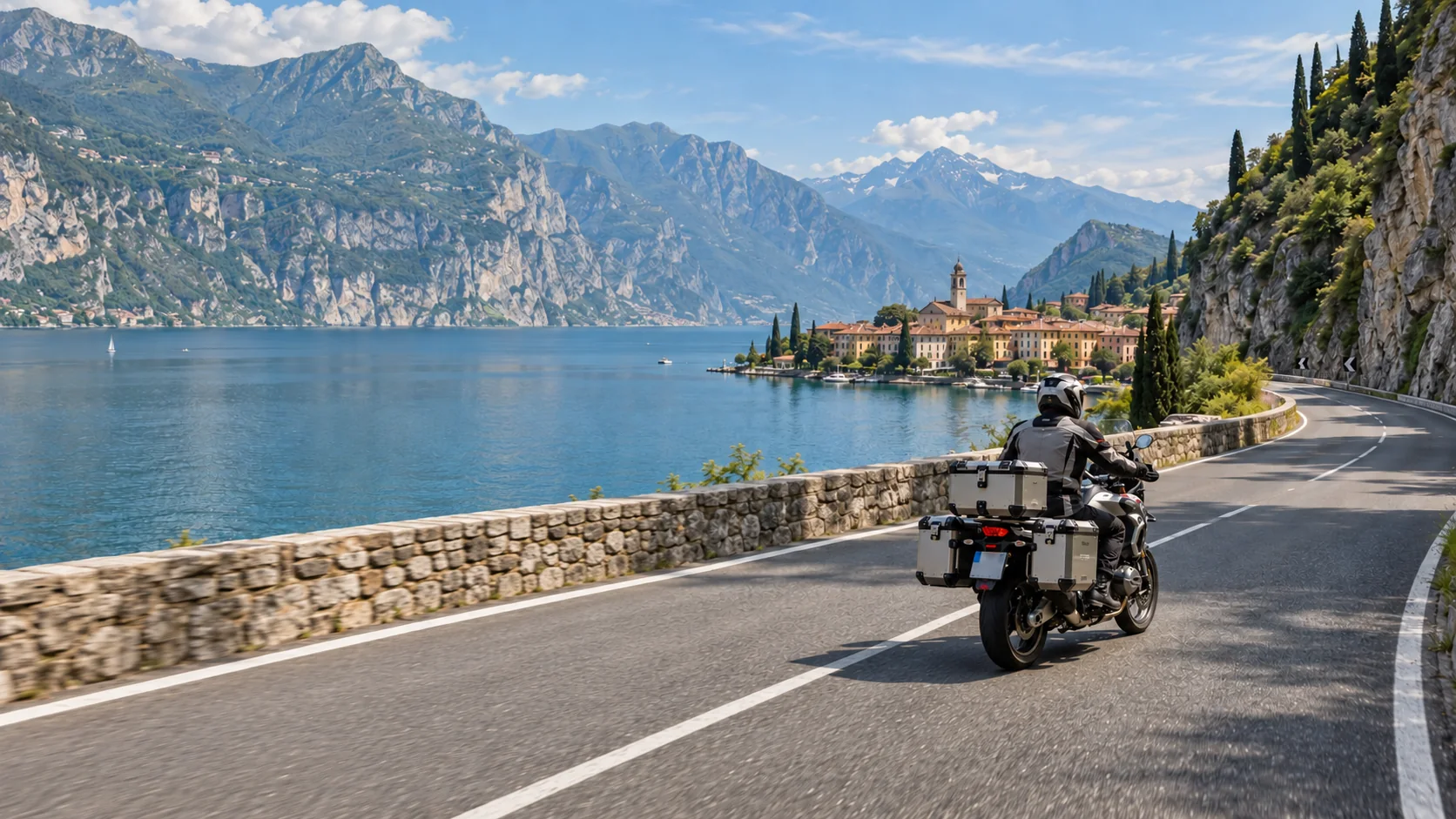
Be deliberate: pick the lake that makes sense with your direction, and don’t rush it. Lakeside rides deserve proper time, especially if you want an easy afternoon.
If you need more inspiration, check out our riding guide for Como and Garda.
A Guided Option for the Experienced Rider
Italy Moto Tours offers an Alps, Lakes & Dolomites Dream Ride that starts and ends in Milan. It’s an eight-day, seven-night tour covering about 1,600 kilometers (around 1,000 miles).
This tour weaves together Lake Garda, the Dolomites, Bormio, Stelvio, Lake Como, and a stretch through Switzerland via Bernina. It’s a challenging ride, with mountain switchbacks, big climbs and drops, and full, demanding days.
If you’re ready for that level, review the itinerary and talk through your recent experience with the tour staff before you commit.
Quick Answers: Italian Alps Motorcycle Trips
What Is the Best Time to Visit the Italian Alps?
Mid-June to mid-September is a useful planning window for riding the high mountain passes. Always check specific road conditions, especially at the edges of the season.
How Do I Get to the Italian Alps?
Pick your airport around your starting point. For a tour starting in Milan, plan your arrival there. Venice can work for Cortina and the eastern Dolomites. Confirm connections, and leave extra time for transfers and rental handover after your flight.
Are the Italian Alps Suitable for a First Motorcycle Tour?
They can be, if your riding skills match the route. Let your tour operator know what you’re comfortable with, and be realistic about mountain riding and long days. The Alps, Lakes & Dolomites Dream Ride is an advanced tour for experienced motorcyclists.
How Many Days Should I Allow for an Italian Alps Motorcycle Trip?
Three riding days can cover one compact region. Five to seven give you more room to see nearby areas or slow down the pace. Remember to count only full riding days; arrival and departure are separate.
Can I Combine the Italian Alps With Lake Como or Lake Garda in One Week?
Yes, if your route links up well. Make choices before locking in hotels. Trying to cram in several distant areas means less time for enjoying the ride and more time on the road.
What Should I Do if a Mountain Pass Is Closed?
Check the official closure info or ask your guide. Review your alternative route and make sure it suits your bike and the day. If there’s no good backup, save that pass for next time.


-
Tours
Venice, Prosecco Hills and Emerald Slovenia Tour (Black Friday 15%)
Price range: $6,375.00 through $9,630.00 Select options This product has multiple variants. The options may be chosen on the product page -
Tours
Alps, Lakes & Dolomites Dream Ride Tour (Black Friday 15%)
Price range: $5,610.00 through $8,780.00 Select options This product has multiple variants. The options may be chosen on the product page -
Tours
The Sardinia Island Discovery Tour (Black Friday 15%)
Price range: $4,675.00 through $7,370.00 Select options This product has multiple variants. The options may be chosen on the product page -
Tours
Amalfi Coast, Capri & Ischia Dream Ride Tour (Black Friday 15%)
Price range: $5,950.00 through $9,375.00 Select options This product has multiple variants. The options may be chosen on the product page -
Tours
The Mediterranean Odyssey: Sardinia & Corsica Tour (Black Friday 15%)
Price range: $6,590.00 through $10,395.00 Select options This product has multiple variants. The options may be chosen on the product page -
Tours
The Heart of Italy: Tuscany, Umbria & Apennine Passes Tour (Black Friday 15%)
Price range: $5,440.00 through $8,390.00 Select options This product has multiple variants. The options may be chosen on the product page -
Tours
The Three-Nation Alpine Grand Tour (Black Friday 15%)
Price range: $6,545.00 through $10,395.00 Select options This product has multiple variants. The options may be chosen on the product page